
Do you notice that your child is walking unusually? Did you notice that his gait was irregular?
You were examined, but it seems to you that it lasted too short? Didn't get enough attention, explanations or answers to all the questions you were interested in? Are some doubts still present?
Want to know if your child needs a foot correction? Are you wondering if you should wear orthopedic insoles? Do you need corrective exercises for your feet and legs? You are still confused – when to start, how, what to exercise, who to contact for advice and, if necessary, where to make quality orthopedic insoles? If you are the parent of an athlete's child, would you like to know if and how the pads will help him?
You want the best for your child! You are aware that now is the right time to react and you may be thinking about what it would be like if someone took you to the right place when you were a child, preventing the problems and pains you now have due to improper walking.
First of all, it is important to clarify that professional topics are not always easy to explain in a few sentences, nor should they be generalised and simplified – although this is often done by both lay people and some “experts”.
There are complete lay people, then specialists who do not specialize in the subject, theorists who know the subject through science, but do not have practical experience, and finally practitioners who deal with a particular diagnosis on a daily basis. It is the latter that are the most competent, although there are nuances within this group as well. A combination of theoretical knowledge and practical experience is the best way to get the right information – so get in touch with experts who follow scientific knowledge and put it into practice.
Children's health, to which all parents are extremely sensitive, should not be taken for granted. It requires a careful, timely and professional approach from multiple aspects. The same applies to children's feet, walking, biomechanics of movement, running, deformations and deviations from the norm, as well as for everyday activities, practicing sports and challenges brought by growth and development.
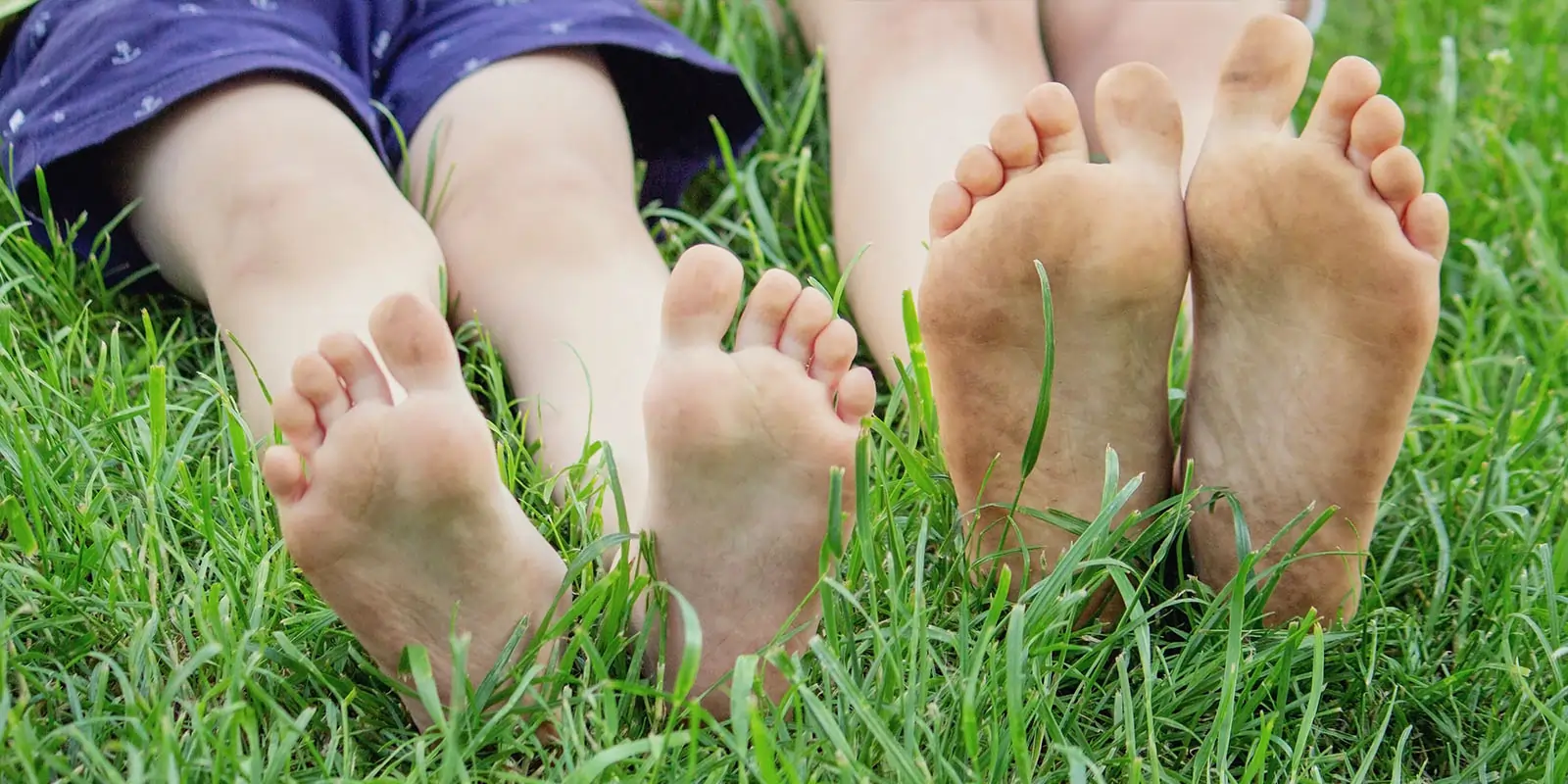
For evaluation and advice it is not enough to say even professionally: “Oh, he's still small”, “It's still growing”, “It's all normal”, “Let's just do sports”, “It's gonna be all right”...
What exactly will be fine?
Such statements only trivialize the problem and treat it lightly, without a deeper look at the situation. This is a "healthy for done" approach.
Not many parents and children come to our office with dozens of questions in their heads. Due to the frequent trivialisation of problems, both by the profession and by the environment, many foot, leg and posture deformities go unnoticed – although timely intervention could have prevented or at least slowed down them.
Parents often tell us that they regularly took their young children (2-5 years) for examinations, but they received generic tips such as: “He is still small, his feet are still developing, let him just walk barefoot, all this will be corrected.”
And then, at the age of 6, 7, 8 or 9, they come to an examination with a specialist who notices a serious problem and asks parents: “Where have you been so far?” – to which the surprised parents reply:
“We went to check-ups on a regular basis, but no one recommended anything.”
As in any field of medicine, diagnostic and treatment methods go through trends – some are more recommended at a certain time, while others fall into oblivion.
It used to be common for children to have footprints before going to school in order to detect possible deformities in time and prevent problems with the posture of the body. But despite the fact that today in every new generation there is an increasing number of children with lowered feet, such examinations have become rare. Today, the process of health assessment, medical history, measurement (including digital methods) and deformation prevention is often simplified, and expert examinations and the manufacture of orthopedic insoles are unfairly accused as an “industry for profit”.
But is that really the case?
Sometimes it is Silence Gold, but when it comes to the health of the child – A timely reaction of gold is worth it!
Health has no price – it should be kept from an early age!
If they will one pair of orthopedic insoles prevent hundreds of other problems that could later develop in the body, is it worth the effort and money?
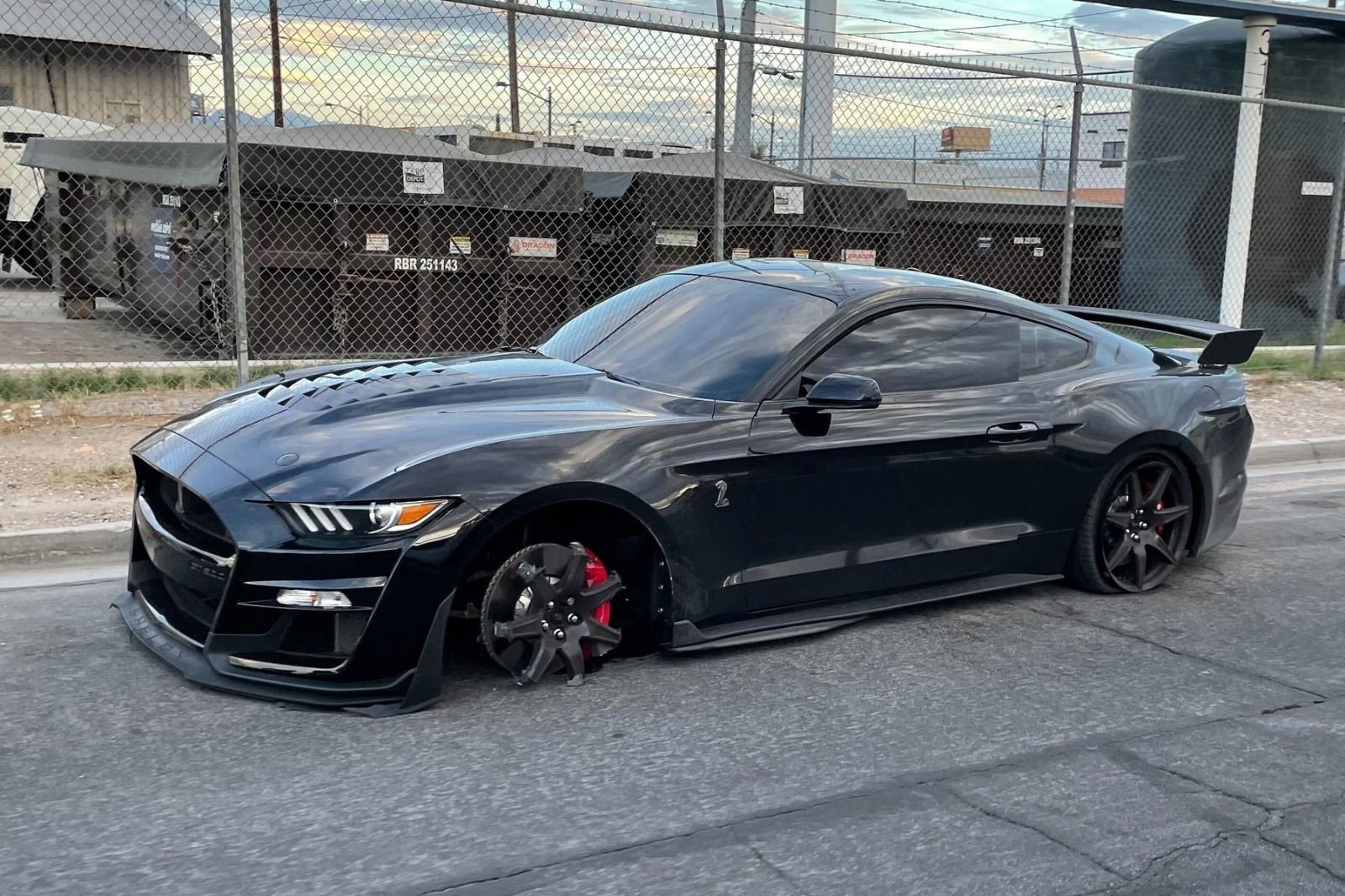
Metaphorically speaking – let's imagine a car with distorted wheels standing at the wrong angle, with tyres blown out. Such a car does not drive properly – the wheels creak, the car bounces, pounds and vibrates. If you continue to drive without repair, you will not only destroy the wheels, but also the wheels, bearings, shock absorbers, axles...
What are you going to do? Of course, you will go to a mechanic, make an optics ("špur") wheel, inflate the tires and only then continue driving.
Why don't we think the same when it comes to our children's feet?
Why do we wait for the problem to get even bigger and more serious before we react?
A growing problem – why are children increasingly affected by foot deformities and posture?
Because of the frequent trivializing the problem, today even 60% children has difficulty with the feet, legs and the development of posture. This percentage used to be under 10%.
Problems can also start when children start buying shoes intended for adults because the proportions of children's feet do not correspond to the proportions of adults (especially the width of the feet), and studies show that the shape of the shoes should resemble the shape of the feet and be designed in accordance with the measures of users (Lopez et al., 2023).
Early diagnosis and intervention are key.
Timely evaluation and intervention can ensure the proper development of the foot and prevent long-term complications.
Orthopaedic insoles can be useful for children who have specific problems on the legs or feet, but the recommendation for their use depends on the individual needs of the child and the specific diagnosis and assessment of specialists dealing with the feet.
The foot is formed by 4 or 5 years of age and, although it may look lowered, this is not necessarily a sign of deformation. Research shows the prevalence of flat feet is higher in children who started wearing footwear before the age of 6 (Lopez et al., 2023).
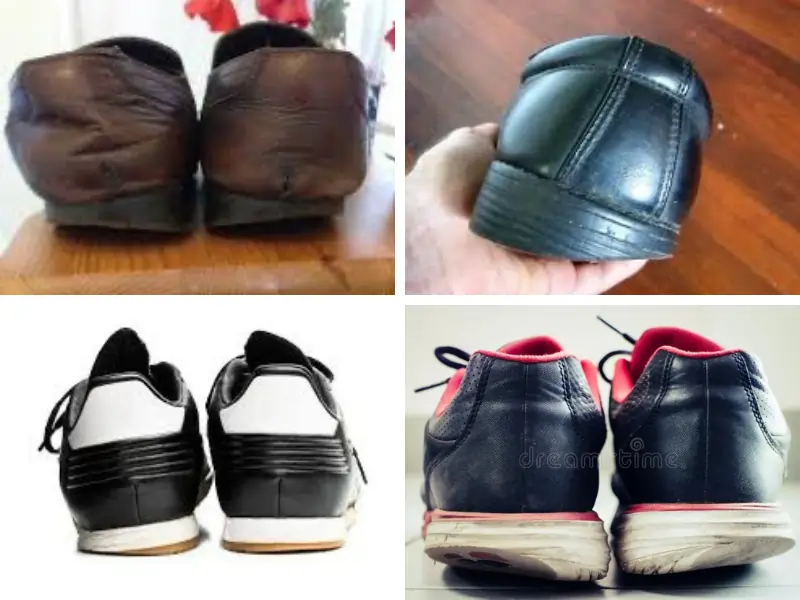
Consequences of wrong walking on shoes – this can be corrected with orthopedic insoles.
A practical example – what did we discover in the kindergarten?
On one occasion, our Polyclinic Medical Body Balance was invited to a kindergarten where we held a lecture about the spine as a pillar of the body, which will soon carry a bag to school and about the feet that carry us. On that occasion, we brought a platform for measuring footprints. How many children do you think have had the shape, i.e. the possible deformation of the “lowered foot”? 80-90% children! Does that mean the nation is in big trouble? No, they were children whose feet were just developing!
The foot in that early childhood has fatty pads that protect the child's foot and its tendons from possible cuts and uneven terrain and if this data were taken as relevant, almost every child would have a lowered foot at that age, which is normal at their age and no intervention is needed. At this age, experts look at and recognize possible major deformations, deviations and distortions that may need to be represented by some correction, exercise, insole, orthopedic shoe or surgical intervention.
After this period of development in younger age, from the sixth to the eighth year, and further towards growing up, the foot is individually monitored as it develops, and corrections and insoles are made only in case of major deformations and distortions, e.g. excessive foot intrusions inwards (hyperpronation), excessive support on the outer edges of the foot (hypersuption), milder equinovarus, planlgus...
For all other children, it is recommended that the feet develop through exercises, unstable surfaces, sponges, sports, gymnastics...
But also, on the one hand, let's be realistic and clearly admit how feasible and practical this exercise is today in a world where children are nailed to mobile phones, tablets, TVs, videos and games, they are not active or coordinated. How realistic is it that a thousand repetitions of one and the same exercise will entertain them, how long will they truly conduct it, how motivated will they be, and how serious will they take the importance of their problem and these exercises at their age?
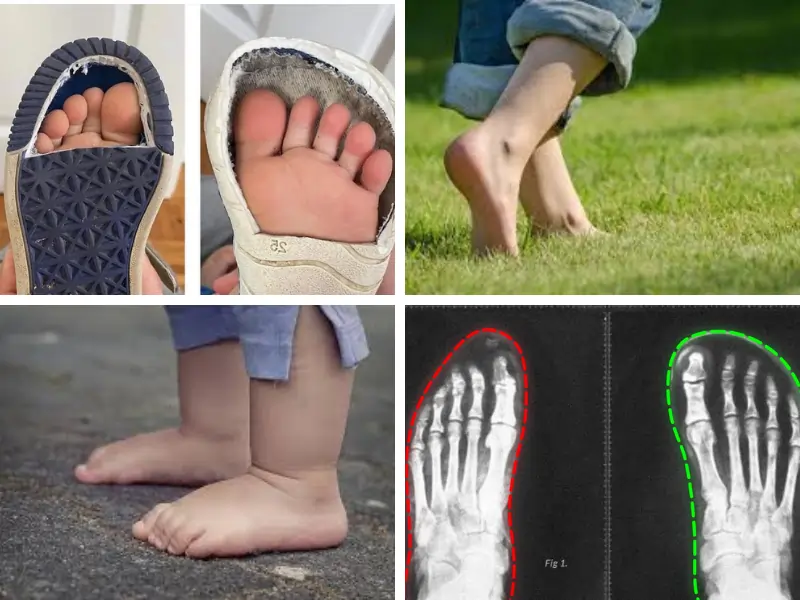
Through evolution, we have become ‘habituated’ to shoe-shaped corsets – sneakers, shoes and other footwear, which, let's be honest, do not allow our leg and foot muscles to develop normally and properly. Our feet, which contain about seven thousand nerve endings sensitive to pressure, touch, temperature and pain, are crucial for precise proprioception and balance. Due to this density of nerve endings, the feet play a vital role in maintaining stability and coordination of movements. But we "turn off" most of these functions by packing them in a mass of plastic, rubber, fabric and leather.
Do we not agree that feet have become "sterile" and dysfunctional, and that we have become a kind of slave of the footwear industry? In this context, is it not less damage to at least try to repair the consequences by putting a custom-made anatomical insole in our shoes and thereby reducing the damage caused by such a form of footwear?
If you think the shoe industry really cares about the health of your feet, just look at the thin foam insole of a few cents in your sneakers or shoes, which offers no anatomical correction or support. Of course, it is commercially profitable, but far from what is needed for the health of your feet. Making shoes or sneakers tailored to your feet would be economically unprofitable, too complicated and expensive.
That's why, with individually made orthopedic insoles, you can turn any footwear into anatomical, comfortable and perfectly adapted to your feet – or your child's feet!
The alternative is to walk barefoot, which would activate your seven thousand receptors on the foot and develop healthy feet. But in today's society, imagine how long it would take for your neighbours to call you "strange" because you walk barefoot. They'd probably say, ‘Here he is, he walks barefoot everywhere!’
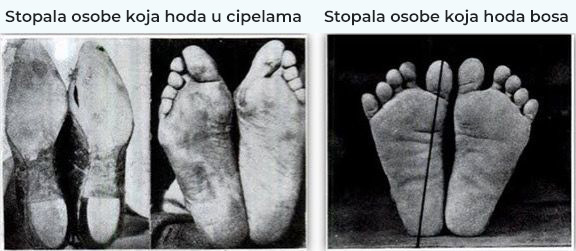
Would it be good if we walked barefoot? Yes, yes!
Could the development of the shoe industry have been an evolutionary mistake? Maybe!
Imagine a world in which we all walk barefoot, with hard skin on our soles (as do animals that have developed hooves), resistant feet to bumps, sharp objects, and feet and legs with strong and developed muscles. People who have not worn shoes for a long time have wider feet, fewer finger abnormalities, a higher arch of the foot and smaller corners of the hallux (distorted thumbs). (Lopez et al., 2023)
And now let's go back to reality and do the maximum for your feet and the feet of your children. Use anatomically adapted Ortho Balance insoles and achieve the best results you can with exercises.
The fact is that shoes with a firmer sole reduce the load on the sole, but at the same time reduce proprioception, which can affect the development of walking in the early stages (Lopez et al., 2023).
Wearing orthopedic insoles in children may be recommended in specific situations when problems in foot development or body biomechanics are identified. In most cases, children's feet go through natural stages of development and do not require intervention, but in certain cases, consulting a professional can be crucial for healthy development.
Some of the diagnoses in which it is necessary to consider wearing orthopedic insoles in children:
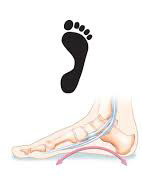
Flat feet (Pes Planus) is characterized by a lowered arch of the foot, whereby the entire sole comes into contact with the floor. The prevalence of flat feet in children up to 2 years of age is as high as 97 %, and flexible (physiological) lowered feet are the most common variant (Li et al., 2022).
Flat feet can be due to genetic factors, weaker musculature or increased elasticity of the ligaments. Although they often do not cause symptoms, in some children they can cause pain in the foot, ankle, lower leg or other parts of the legs and body. They can also lead to irregular walking and problems with posture.
Flat feet increase the risk of lower limb injuries, such as stress fractures, medial tibial stress syndrome and others, and are often associated with pain in the feet, knees and lower back (Bian et al., 2024). Orthopedic insoles can help to form a correct arch of the foot (Hu et al., 2024). For school-aged children with a flexible flat foot, wearing orthopedic insoles for two years can alleviate symptoms (Li et al., 2022).
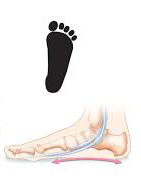
High arch of the foot (Pes Cavus - Excavatus) characterized by an excessively raised vault, which increases the pressure on the heel and front of the foot. Finger deformities such as hammered or curled fingers also often occur. A high arch of the foot can be associated with neuromuscular disorders, genetics, or trauma, and can cause pain and difficulty walking.
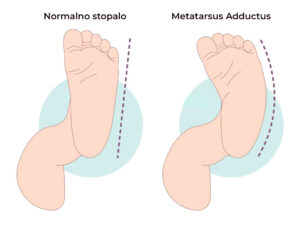
Inward rotated foot (Metatarsus Adductus) represents a deformation in which the front of the foot is turned inwards. Most often it occurs as a result of the position of the fetus in the uterus. It is usually visible already at birth, but it can become more pronounced when the baby begins to walk.
Club foot (Pes Equinovarus) congenital deformation in which the foot faces inwards and downwards. The exact cause is unknown, but it has been linked to genetic or neuromuscular factors. In severe cases, the club foot requires immediate medical intervention immediately after birth. An orthopedic insole helps to correct the shape and establish the functionality of the foot.
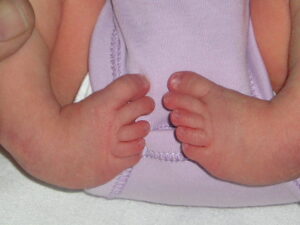
Kohler's disease Rare is a condition that causes the collapse of the habitual bone in the foot. The exact cause is unknown, but it has been linked to a circulatory disorder. It occurs most often in children between 3 and 7 years of age and causes pain and swelling of the feet.
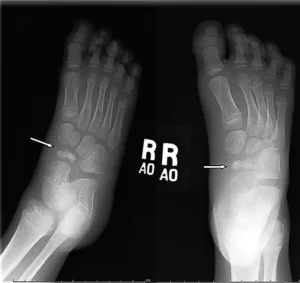
Sever's disease represents inflammation of the heel bone apophyse, and is most often the result of excessive load during intense physical activity. It is common in young athletes aged 8 to 12 years. The pain most often occurs in the heel during or after activity, and may intensify the next day.
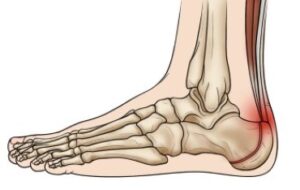
the Tarsal Coalition is a condition in which two or more bones of the foot are joined, which limits mobility. Although it does not cause significant problems in early childhood, it can cause pain and stiffness during adolescence, especially after physical activity.
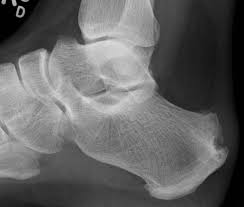
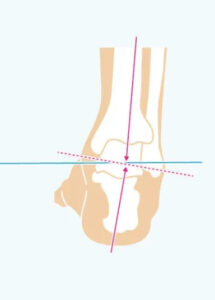
Hyperpronation (Verification) indicates excessive ‘falling’ of the inner arch of the foot inwards during walking or running. It is most often caused by muscle weakness, inadequate footwear or genetic predispositions. It can lead to pain in the feet, ankles, knees, hips and spine. It is also recognized by the wear of the gon on the inside of the shoe.
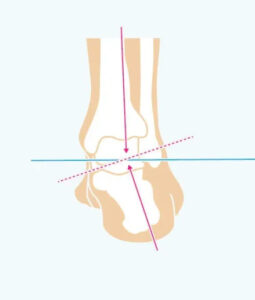
Hyper-supplementation (Oversuperation) indicates over-reliance on the outer edge of the foot while walking, with a pronounced inner vault. Causes can be muscle imbalance, inappropriate footwear or genetics. It can cause pain throughout the kinetic chain – from the foot to the spine. It is also recognized by the wear of the joon on the outside of the shoe.
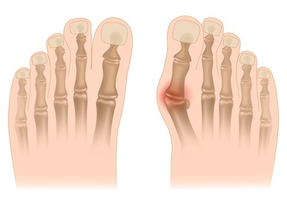
Hallux valgus (deformed thumb) is a condition in which the thumb of the foot is turned outwards, often with the formation of a painful squat. The most common causes are tight footwear, genetic predisposition and neuromuscular disorders. It can cause pain, swelling, walking problems and deformation of other fingers.
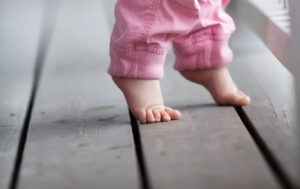
"Fifth Walker" is a walking pattern in which the child walks on his toes without relying on the heel. It is often a benign, transient condition, but it can also be associated with neuromuscular disorders. It most often occurs in young children and usually does not cause symptoms, but sometimes exercises are needed to normalize walking.
Rigid Flat Foot is a rare deformation in which the arch of the foot is flat and cannot be passively or actively corrected. It may be congenital or associated with a tarsal coalition. Rigid foot causes pain, stiffness and limited mobility.
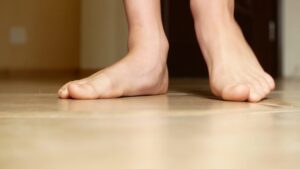
When should children wear orthopedic insoles?
There are several key factors that indicate the need to wear orthopedic insoles in children. If any of the above conditions is diagnosed, orthopedic insoles may be recommended regardless of age.
Some of the symptoms that indicate the need for orthopedic insoles include:
Pain in other parts of the body - if the child feels pain, swelling or other unpleasant sensations in the feet, ankles, knees, hips or back that can be associated with irregularities in the feet.
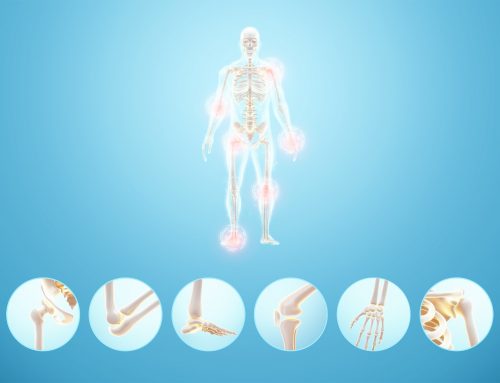
Gait abnormality
In children who have a visibly irregular gait – gega while walking, walk on the outer or inner edge of the foot, use the front or back of the foot more, walk on the heels or fingers, run irregularly or ‘strangely’ – the pads can help correct biomechanical irregularities. Such children often show signs of fatigue or feel discomfort when and after walking, running, sports activities or prolonged standing. Orthopedic insoles can not only relieve pain, but also improve walking patterns (Hu et al., 2024).
Difference in leg length
If the child has a different leg length, an anatomical abbreviation (congenital, after a fracture or surgery, due to stunting) or functional – apparent – abbreviation can be established. In anatomical shortenings, orthopedic insoles with elevation can help equalize the length of the lower extremities and reduce tension in the muscles and joints. This also prevents the development of deformities that may occur due to length differences, such as scoliosis, hunching, poor posture and pain in the hips, knees, spine and ankles.
Difficulties with balance and stability
The pads can be used in children who have difficulty maintaining balance and stability when walking and standing, to improve support and postural control. For example, people with adolescent idiopathic scoliosis often have an asymmetrical distribution of pressure on their feet, and orthopaedic insoles can contribute to balance and better biomechanics through a more even distribution of forces (Li et al., 2023).
Sport and intense physical activity
Children who play sports that put extra pressure on their feet can benefit from orthopedic insoles to prevent injuries, reduce overstrains and provide additional support, especially if there is a predisposition to foot problems. Orthopedic insoles help establish proper body biomechanics and adapt to the anatomical structure of the foot and ankle (Hu et al., 2024).
Children who are intensely involved in sports may experience various symptoms and syndromes – Severe disease, Osgood-Schlatter, CAM hip growths and others. Just imagine the forces in sports such as tennis, basketball, football, handball, volleyball or athletics that are transmitted to the still undeveloped structures of the child's body. In such cases, orthopedic insoles can serve as shock absorbers and help absorb excessive pressure. It is often pointed out that sport in its present form is "not healthy" for the body. Moderate – Yes, but overtraining can do more harm than good. In order to reduce the harmful effects, we can help the body by installing an additional absorber in the form of sports orthopedic insoles. The development of materials, diagnostics and manufacturing technology today make it possible to make cartridges of exceptional precision. If you require sports performance from your car, you will install sports shock absorbers – why not do the same for feet with similar loads?
Solution: sporty, individually adapted orthopedic insoles made of more durable materials.
Recommended age
It is common that orthopedic insoles are not recommended for very young children because their feet are still in the stage of intensive development. After the third year, when the feet begin to show more stable growth patterns, the use of orthopedic insoles may be considered if there are clear indications and visible deviations, especially if symptoms are present.
Shoes that parents buy for children must fit well with the foot, as they can affect physiological development and lead to deformities in adulthood. Therefore, children’s footwear manufacturers and healthcare professionals advise parents to pay attention when choosing footwear – as shoes should not interfere with the natural function of the foot and the motor development of the child (Lopez et al., 2023).
Hereditary factors and preventive measures
In some cases, orthopedic insoles may be recommended preventively, especially if there is a history of orthopedic problems in the family.
Treatment
Expert recommendation
The final decision on the need for orthopedic insoles, as we have already mentioned, should be made by an expert with experience in recognizing foot deformities, as well as experience in working with children and in applying orthopedic insoles or in cooperation with institutions engaged in their manufacture.
Experts who can decide on the need for orthopedic insoles and targeted therapy include pediatricians, orthopedists, physiatrists, foot specialists (substrates, podiatrists) and physiotherapists educated in subology, with experience in working with foot deformities.
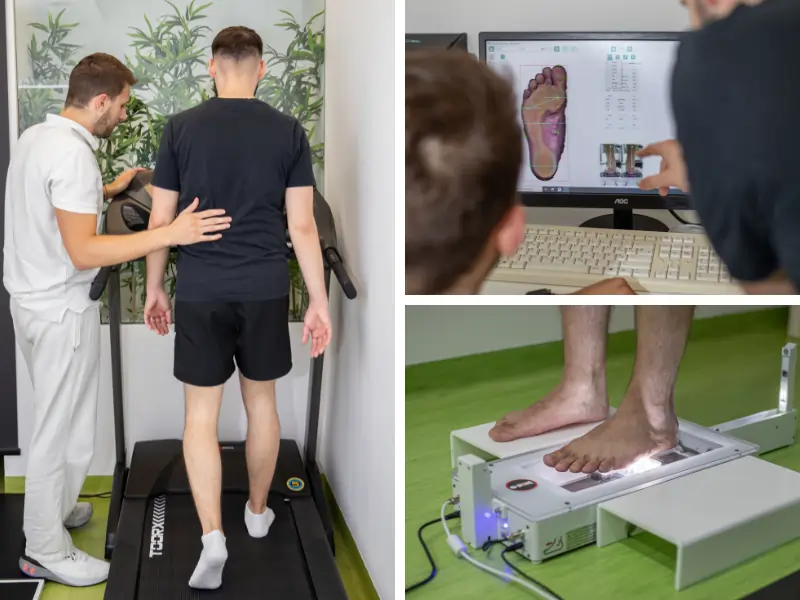
The expert makes a decision on the need for intervention after a detailed examination and assessment, including an analysis of statics, walking and/or running dynamics and a 3D scan of the foot.
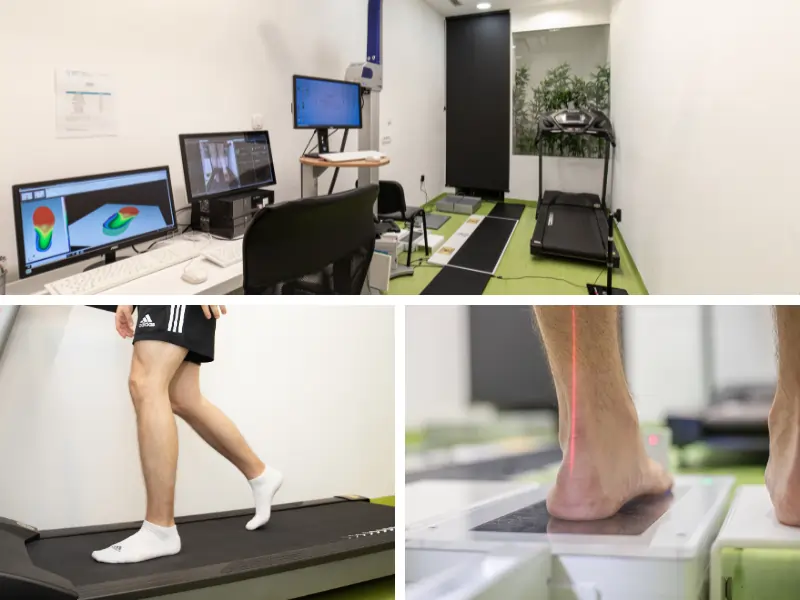
U Polyclinic Medical Body Balance, in the Ortho Balance cartridges department, after detailed medical history and subjective and objective assessment of the foot, we perform a thorough digital analysis of statics, walking dynamics, running and 3D scanning on highly sophisticated devices the latest generation. Using baropedometric plates and 3D scanners, we get a precise picture of your children's feet. 3D printing technology enables precision in the manufacture of cartridges, which can be modelled according to the individual needs of each patient (Hu et al., 2024).
After we determine deviations and deformities, we analyze the need for orthopedic insoles and approach the software development of the insole model, which is then made using CAD/CAM technology, with final precision processing.
During the examination, the person chooses the most comfortable base, and we recommend the one that best suits the observed deformities. The child, parent or accompanying person can also choose the color of the surface of the insoles according to their wishes. This approach is called “Custom made” making of cartridges. Commercial orthopaedic insoles, which are mass-produced, cannot be adapted to the needs of each patient (Hu et al., 2024).
Depending on the type and severity of the deformities, treatment may include:
- Physical therapy in the form of exercises to strengthen the leg and foot muscles, stabilize or improve the flexibility and flexibility of the foot and related structures.
- Orthopedic footwear – sometimes it is necessary to design footwear that provides additional support and individual correction.
- Surgical procedures – used in more severe cases where conservative methods do not yield results. They're performed by orthopedic surgeons.
- Medical interventions in the form of plastering, the use of corrective splints and other orthopedic aids.
Orthopaedic insoles
We have found that orthopedic insoles can help and are needed by your child! What is their role?
- Support – orthopedic insoles provide additional support to the foot, helping to properly distribute body weight and reduce pressure on specific parts of the foot.
- Correction – help correct irregular foot position and improve walking biomechanics.
- Prevention – can prevent further aggravation of existing problems and reduce the risk of secondary problems such as leg and foot deformities, pain in the knees, hips and lower back, and posture distortions.
- Absorption and absorption of force – reaction of the substrate and prevention of compression syndromes and damage in the meniscus of the knees, ankles, bones and ligaments of the feet, hips and discs of the spine.
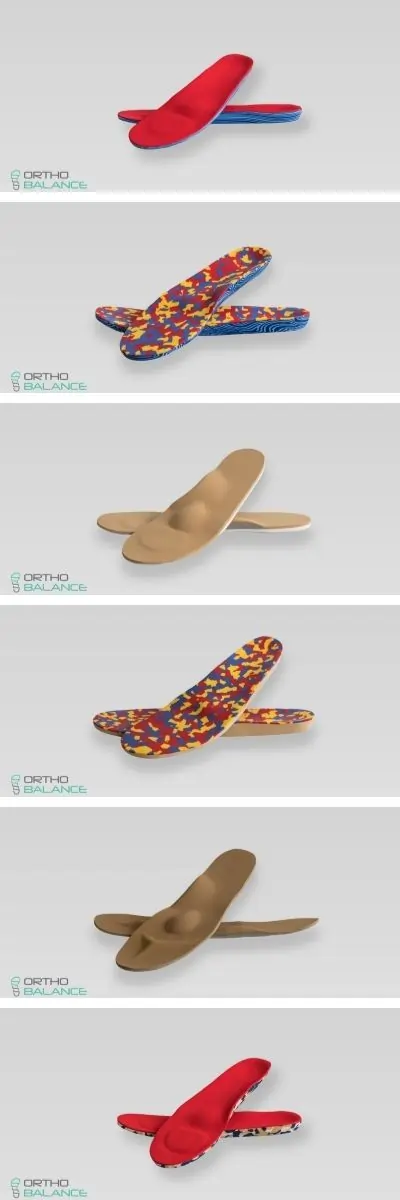
It is important to mention that children grow fast, so regular monitoring of the development of their feet is crucial. Orthopedic insoles should be adjusted as needed and to grow. Also, insoles should be used in combination with appropriate footwear that provides good support (shoes, sneakers, and sometimes orthopedic shoes).
Although the specific age for starting to use orthopedic insoles may vary and depends on the deformity of the foot, it is generally recommended that a decision be made based on a professional assessment and the individual needs of the child. Timely use of orthopedic insoles can significantly improve the quality of life of the child and prevent further orthopedic complications and deformities of the body!
ORTHOPEDIC PARTIES - SUPPORT FOR EVERY STEP OF LIFE'S WAY!
Take the first step towards healthy feet.
Sources:
- Ruihao Bian, Guoqing Jia, Liutao Zhu et al. Factors influencing the flexible flatfoot in preschool children and analysis of the effects of orthopedic insoles, 11 April 2024, PREPRINT (Version 1) available at Research Square [https://doi.org/10.21203/rs.3.rs-4112915/v1]
- Lo ́pez NR, Go ́mez RM, Valderrama MM, Gonza ́lez AG, de la Torre-Montero JC, Moreno A ́P-S, et al. (2023) Biomechanical analysis of barefoot walking and three different sports footwear in children aged between 4 and 6 years old. PLoS ONE 18(9): e0291056. https://doi.org/10.1371/ journal.pone.0291056
- Li J, Yang Z, Rai S, Li X, Jiang G, Pan X, Tang X. Effect of Insoles Treatment on School-Age Children with Symptomatic Flexible Flatfoot: A 2-Year Follow-Up Study. Indian J Orthop. 2022 Aug 11;56(11):1985-1991 doi: 10.1007/s43465-022-00698-1. PMID: 36310549; PMCID: PMC9561439.
- Li Y, Xiaoli H, Ye N, Songjian X, Li L, Qianqi H, Yining Y and Li C (2023) Effect of orthopedic insoles on spinal deformity and walking in adolescents with idiopathic scoliosis summary. The front. A pediatrician. 11:1259746. doi: 10.3389/fped.2023.1259746
- Shuncai Hu , Qing Lin , Lifeng Qiu , Yang Liu , Siyan Guan , Zhizhi Luo , Yang Wang , Xiaofan Wang. Effect of orthotic insole on symptomatic flexible flatfoot in school-age children: Meta-analysis and 1-year follow-up study, 2024. Biomechanical technology. Vol 7; 63-70
Author:
Velibor Viboh
mag.physioth.
Founder and director of the Polyclinic Medical Body Balance, doctoral student at KIF, the official physiotherapist of the Croatian DAVIS Cup national team